
Vacant possession (VP) is the formal legal process where a property developer delivers a completed residential unit to the buyer, transferring physical control and responsibility for the property’s condition.
In Malaysia, VP is more than just receiving your house keys, it is a legally binding milestone governed by the Housing Development (Control and Licensing) Act 1966 (Act 118).
According to Architect Centre Sdn Bhd director Anthony Lee Tee, VP in stratified developments represents “the delivery of a brand-new property based on a promise made, within the statutory period for delivery of completed residential units stated in the SPA” (The Edge Malaysia).
The VP process establishes the official handover date, which determines:
Key distinction: Vacant possession means the property is physically completed and habitable.
Legal possession, by contrast, means you lawfully own the property even before holding the physical keys, typically after signing the Sale and Purchase Agreement (SPA) and completing payment milestones.
Under Malaysian law, developers must deliver vacant possession within strict statutory timelines from the SPA signing date:
| Property Type | Maximum Delivery Period | Legal Basis |
|---|---|---|
| Landed properties (terrace, semi-D, bungalow) | 24 months | Housing Development Act 1966 |
| Strata properties (condominium, serviced apartment) | 36 months | Housing Development Act 1966 |
If the developer fails to deliver VP within these timelines, buyers are entitled to Liquidated Ascertained Damages (LAD), a daily compensation rate specified in the SPA, typically calculated as 10% per annum of the purchase price for the delayed period.
Important: The VP clock starts from the SPA signing date, not the booking date or loan approval date. Always keep your SPA copy accessible for reference.

Before a developer can lawfully issue a VP notice, three mandatory conditions must be satisfied (iProperty Malaysia):
The CCC must be duly issued by the local authority, certifying that the property is structurally complete and safe for occupation. The CCC replaced the older Certificate of Fitness for Occupation (CFO) and is now the standard document verifying building compliance with approved plans and safety regulations.
Electricity and water supplies must be physically installed and ready for buyer activation. Without operational utilities, the property cannot be deemed habitable, and VP cannot legally proceed.
The buyer must have paid the balance of the purchase price according to the progressive payment schedule outlined in the SPA. For under-construction properties, banks release payments at construction milestones, typically culminating in a final 12.5% release at the VP stage.
Only when all three conditions are met can the developer issue a formal VP notice requiring the buyer to collect keys within 14 days.
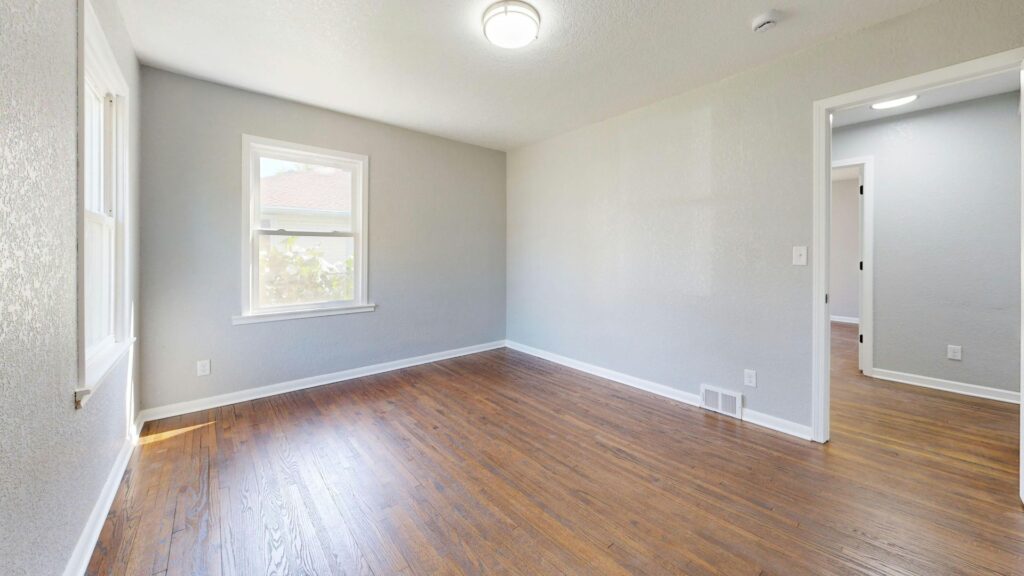
Accepting VP without inspection is one of the costliest mistakes Malaysian homebuyers make. Once you sign the VP acknowledgement, your 24-month Defect Liability Period begins, so identifying defects before signing is critical.
Request to see the original or certified true copy of the Certificate of Completion and Compliance. Confirm the certificate references your specific unit and block number. Do not accept VP without documented proof of CCC issuance.
Bring a phone charger or simple electrical tester. Check every power socket, light switch, and distribution board. Non-functional electrical points are among the most common VP defects in Malaysian new launches.
Turn on every tap, flush all toilets, and pour water into floor drains. Look for leaks under sinks, water pressure issues, and drainage blockages. Plumbing defects are expensive to fix once renovation begins.
Walk through every room with a flashlight. Check for hairline cracks, uneven paintwork, hollow tiles, and misaligned skirting. Use a coin to tap tiles—hollow sounds indicate poor adhesive application.
Test all hinges, locks, handles, and window tracks. Look for gaps between frames and walls, misaligned doors that scrape the floor, and windows that don’t lock securely. These fall under non-structural defects covered for 12 months.
Your SPA includes a detailed schedule of fittings and finishes—tile specifications, sanitary ware brands, kitchen cabinet materials, door types. Cross-check every item against the actual delivery. Document discrepancies with photographs.
For strata properties, inspect your parking bay allocation, access card functionality, and elevator operation. For landed homes, check perimeter drains, gate mechanisms, and external plastering. Common facility incompleteness does not invalidate VP, but individual unit readiness does.
Pro tip: Hire an accredited building inspector from Architect Centre (Pertubuhan Akitek Malaysia) if your unit value exceeds RM800,000. Professional inspections typically cost RM500–RM1,500 but can save tens of thousands in undisclosed defect repairs.

The Defect Liability Period (DLP) is your statutory warranty against construction defects, beginning on the VP date.
According to Chur Associates founder Chris Tan, “The defect liability period is mainly for contractual obligations found in the sale and purchase agreement… 24 months from the delivery of vacant possession” (The Edge Malaysia).
| Defect Category | Coverage Period | Examples |
|---|---|---|
| Structural defects | 24 months | Foundation cracks, roof leaks, load-bearing wall damage, major seepage |
| Non-structural defects | 12 months | Faulty door locks, paint defects, tile cracks, fixture failures, window misalignment |
You must submit a written defect notice to the developer within 30 days of discovering the defect. Include:
Developers are legally bound to rectify confirmed defects at zero cost to the buyer. To enforce this, the SPA requires developers to place 5% of the purchase price as a stakeholder sum held by the buyer’s lawyer, What Happens If Developers Delay VP?
If your developer misses the 24-month (landed) or 36-month (strata) deadline, you have legal recourse.
The SPA specifies a daily compensation rate, usually 10% per annum of the property price, prorated by delay days. For a RM500,000 property delayed by 90 days, LAD would be approximately RM12,328.
How to Claim LAD?
Important exception: Developers may claim permissible delays for force majeure events (floods, pandemic restrictions) or buyer-caused delays (late loan disbursement). These periods are excluded from LAD calculations.ensuring financial leverage if developers refuse to cooperate.
Critical warning: Do not begin renovation work before completing your defect inspection and submitting your defect list. Renovation typically voids DLP coverage for affected areas, as developers can claim third-party damage.

Here is the checklist that you can refer before your VP appointment:
Pre-Appointment Preparation:
During Inspection:
Post-Inspection Actions:
You have 14 days from the VP notice date to collect your keys. After this period, you are deemed to have accepted vacant possession automatically, and your DLP begins regardless of whether you physically collected the keys.
Yes. Developers may issue VP when the building reaches 70% completion or when individual units are habitable, even if shared facilities like swimming pools or gardens remain unfinished. What matters is that your specific unit has CCC approval and operational utilities.
The Certificate of Fitness for Occupation (CF) was the older document issued by local authorities. Since 2007, Malaysia replaced the CF system with the Certificate of Completion and Compliance (CCC), which shifts accountability to project architects and engineers rather than local council officers.
Technically, no if the unit has CCC approval and meets basic habitability standards, the developer has fulfilled VP obligations. However, you should document all defects before signing, submit them under the DLP, and negotiate delayed move-in if defects are severe. Refusing VP without legal grounds may forfeit your LAD rights if the developer delivered within statutory timelines.
No. The DLP covers defects caused by developer workmanship or materials. Once you modify or renovate any area, the developer is no longer liable for defects in those sections. Always complete your defect inspection and rectification before renovation.

