
The fear is justified. In 2024–2025, Malaysian banks blacklisted hundreds of buyers and developers in Johor Bahru, Selangor, and Penang for cashout (cashback) fraud. Headlines screamed “Property Scam” and “Bank Fraud.” The natural reaction: avoid anything with the word “cashback” entirely.
But this fear is costing ordinary investors their best entry strategy.
The truth is that most cashout anxiety comes from semantic confusion. People use “cashback/ cashout” to describe three completely different transactions:
| Term | What It Actually Is | Legal Status |
|---|---|---|
| Rebate | Post-sale refund from developer/seller | Legal, disclosed |
| Vendor Discount | Price reduction at point of sale | Legal, standard practice |
| Cashout Fraud | Inflated sale price to secure larger loan | Illegal, criminal fraud |
When someone says “I got RM80,000 cashout,” they could mean any of the three. Your job as an investor is to know which one you’re looking at before you sign.

In Malaysian property transactions, “cashout” is not a technical legal term. It is marketing language that covers three distinct financial events:
1. The Rebate (Most Common)
Developer lists unit at RM600,000. Offers 15% rebate. You sign SPA at RM600,000. After completion, developer refunds RM90,000. Your all-in cost: RM510,000. Bank loan is based on the net effective price if properly disclosed.
2. The Vendor Discount (Negotiated)
Seller wants RM500,000. You negotiate RM450,000. The “RM50,000 cashout” is simply the gap between asking and achieved price. This is standard subsale negotiation, rebranded by marketers.
3. The Cashout (Fraudulent/ Mark Up)
Property true value: RM500,000. Seller and buyer collude to sign SPA at RM650,000. Buyer secures 90% loan = RM585,000. Seller refunds RM135,000 to buyer as “cashout.” Buyer now owes RM585,000 on a RM500,000 asset. Bank is underwater on security. This is fraud.

Legal cashout in Malaysia follows a specific documentation and disclosure protocol. When done correctly, it is transparent, bank-approved, and tax-compliant.
The Standard Rebate Flow:
Step 1: Developer lists unit at RM600,000 (gross price)
Step 2: Offers 15% rebate (RM90,000) for early buyers / bulk purchasers
Step 3: Buyer signs SPA at RM600,000 (gross, for stamp duty purposes)
Step 4: Bank values unit at net effective price (~RM510,000) or gross with rebate disclosure
Step 5: Loan approved based on actual exposure
Step 6: Post-completion, developer issues rebate via agreed mechanism
Why developers do this:
Bank compliance: Major Malaysian banks (Maybank, CIMB, Public Bank, RHB) accept rebate structures if:
Stamp duty implication: Stamp duty is calculated on the SPA price (gross), not the net price. This is a cost to factor, rebate does not reduce your stamp duty bill.
This is where cashout becomes a crime. The structure is deceptively simple, which is why so many buyers have been trapped.
The Fraudulent Flow:
Step 1: True market value = RM500,000
Step 2: Seller and buyer agree to SPA at RM650,000 (30% inflated)
Step 3: Buyer applies for 90% loan = RM585,000
Step 4: Bank approves based on a falsified valuation or undetected collusion
Step 5: Seller receives RM650,000 from the bank
Step 6: Seller refunds RM150,000 to buyer as “cashback”
Step 7: Buyer owes RM585,000 on a RM500,000 property
Step 8: Bank’s security margin is destroyed; if buyer defaults, bank loses money
Why this is fraud:
Real-world consequences (2024–2025 cases):
Red flags that scream fraud:
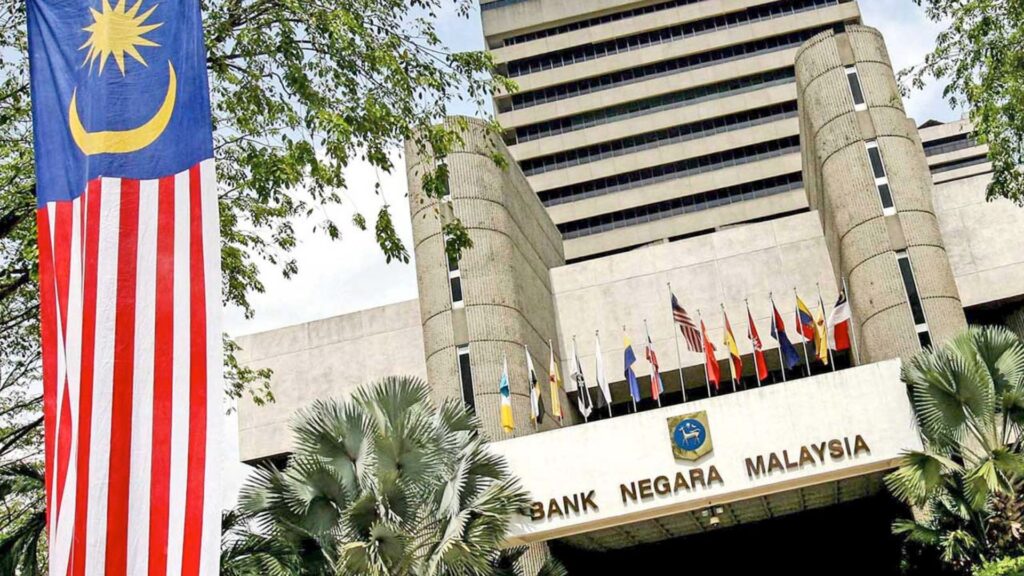
Banks are not naive. In 2025, Malaysian banks tightened detection systems after RM2.3 billion in suspicious property loans were flagged by Bank Negara.
Detection methods:
| Method | How It Works |
|---|---|
| Valuation Cross-Check | Bank-appointed valuers inspect the property; if SPA price exceeds valuation by >10%, alarm triggers |
| Comparable Sales Data | Banks access NAPIC and private databases; outliers are flagged automatically |
| Seller-Buyer Relationship Check | Related-party transactions (family, business partners) receive enhanced scrutiny |
| Cashflow Tracing | Post-sale, banks monitor if the seller refunds the buyer—a clear fraud pattern |
| Lawyer Whistleblowing | Conveyancing lawyers are required to report suspicious transaction structures under AMLA |
Blacklist consequences:
The message is clear: banks will find out. The only question is whether you understood the structure when you entered it.

This is the core message: cashout is not evil. It is a tool. Like any tool, it builds when used correctly and destroys when abused.
1. Debt Consolidation (The Rescue)
You have RM40,000 in high-interest credit card debt at 18% p.a. You purchase a property with a RM50,000 rebate. You clear the credit card debt immediately. Your property cashflow now services a single, lower-interest mortgage instead of compounding card interest.
Result: Financial breathing room. One payment instead of five. Interest rate drops from 18% to 4.5%.
2. Renovation and Value-Add (The Builder)
You buy a subsale unit at RM400,000 with a RM30,000 below market value. You spend RM25,000 on kitchen renovation, bathroom modernization, and air conditioning. Rental value increases from RM1,600 to RM2,200. Yield jumps from 4.8% to 6.6%.
Result: Forced appreciation through strategic capital deployment. The rebate funds improvements the previous owner neglected.
3. Tenant Acquisition Costs (The Cashflow Protector)
You purchase a vacant unit with a RM20,000 rebate. You spend RM5,000 on staging, RM3,000 on agent fees, RM2,000 on minor repairs, and hold RM10,000 as a 3-month vacancy reserve. Instead of panicking about finding a tenant immediately, you have a buffer.
Result: Reduced vacancy stress. Better tenant selection (you can wait for the right fit rather than accepting the first applicant).
4. Emergency Reserve Fund (The Safety Net)
You take a RM40,000 cashout and park it in a fixed deposit or money market fund as your property’s emergency reserve. When the air conditioner fails (RM4,000), the tenant pays late (RM2,200 gap), or assessment fees spike, you do not touch your salary.
Result: Property self-sufficiency. The asset carries its own risk capital.
5. Portfolio Scale (The Accelerator)
Experienced investors use rebates from bulk-purchase programs to fund the down payment on a second unit. A RM60,000 rebate becomes the 10% deposit on a RM600,000 property. With proper cashflow management, one rebate seeds two assets.
Result: Velocity of money. Capital recycling without additional personal savings.
The common thread: Every legitimate use of cashback involves deploying the capital back into the asset or your financial health. None involve buying a car, funding a wedding, or taking a holiday. Cashout is working capital, not windfall money.

Protect yourself with this verification process. If any step fails, walk away.
Step 1: Price Validation
Step 2: Rebate Documentation
Step 3: Legal Review
Step 4: Bank Transparency
Step 5: Source of Funds Trace
Step 6: Tax Consultation
Understanding the seller’s motivation removes suspicion and replaces it with negotiation leverage.
In 2026, Malaysian developers face a brutal reality:
A developer sitting on 200 unsold units in a completed project is not making money. They are bleeding. Every month of unsold inventory costs them financing interest, management fees, and opportunity cost on frozen capital.
Rebate math for the developer:
Without the rebate, the unit sits unsold for another 18 months. With the rebate, it moves now, the developer recovers capital, and the buyer gets working capital to improve the asset.
This is not a scam. This is a market-clearing mechanism. The same logic applies to any business with excess inventory offering a sale.
No, if it is a disclosed rebate. If the cashout is a secret post-sale refund designed to hide the true price from the bank, it is fraud. The legality depends on transparency, not the amount.
Generally no. A rebate reduces your effective purchase price; it is not taxable income. However, if the rebate is structured as a separate “consultancy fee” or “referral payment,” it may attract tax. Structure matters, consult a tax agent.
Banks do not reject loans because of rebates. They reject loans when the rebate is undisclosed and the loan amount exceeds the true property value. Disclose everything; approval follows.
Cashback is a rebate at purchase. Cashout refinancing is releasing equity from an existing property through a new loan based on appreciated value. Both are legal when properly documented. Cashout refinancing is a post-purchase wealth tool; cashback is an entry tool.
Absolutely yes. Your lawyer’s duty is to you, not the seller. If the lawyer advises against the structure, listen. If the seller pressures you to use their lawyer instead of your own, this is a major red flag.
Cashout is not a scam. Cashout fraud is a scam. The difference is one word, but it determines whether you build wealth or destroy your financial future.
The legal reality in Malaysia is clear:
In 2026’s oversupplied property market, rebates are not going away. Developers need to move stock. Buyers need working capital. The match is natural and legal as long as both parties are honest about the numbers.
Your protection strategy:
Cashout is a lever. Pull it with knowledge, and you accelerate your portfolio. Pull it blind, and you bury yourself in debt and legal liability. The choice is yours but now, at least, you know the difference.

